-
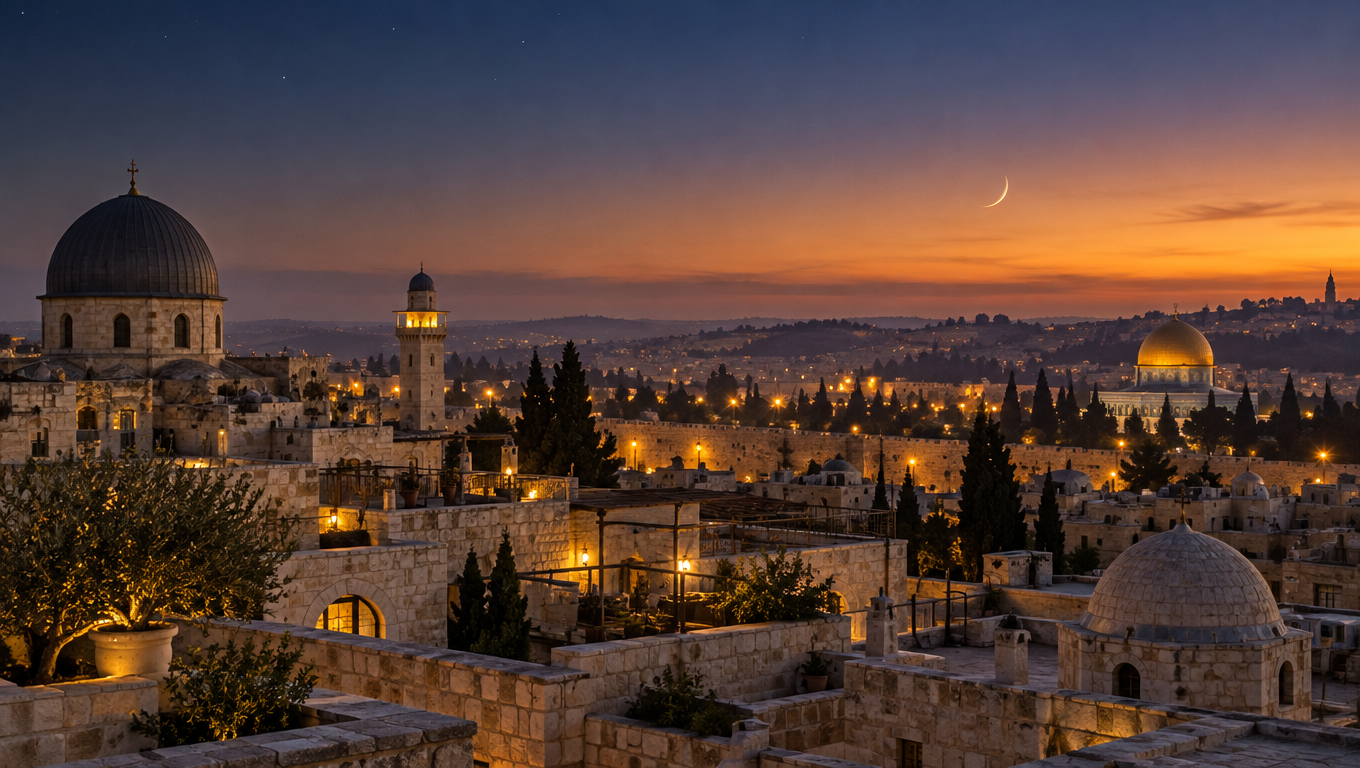
The Luxury of Time: From Scaliger to a Watch Turned Toward the Moon
A personal reflection on ancient calendars, the art of counting our days and the birth of Eternal Clock.
-
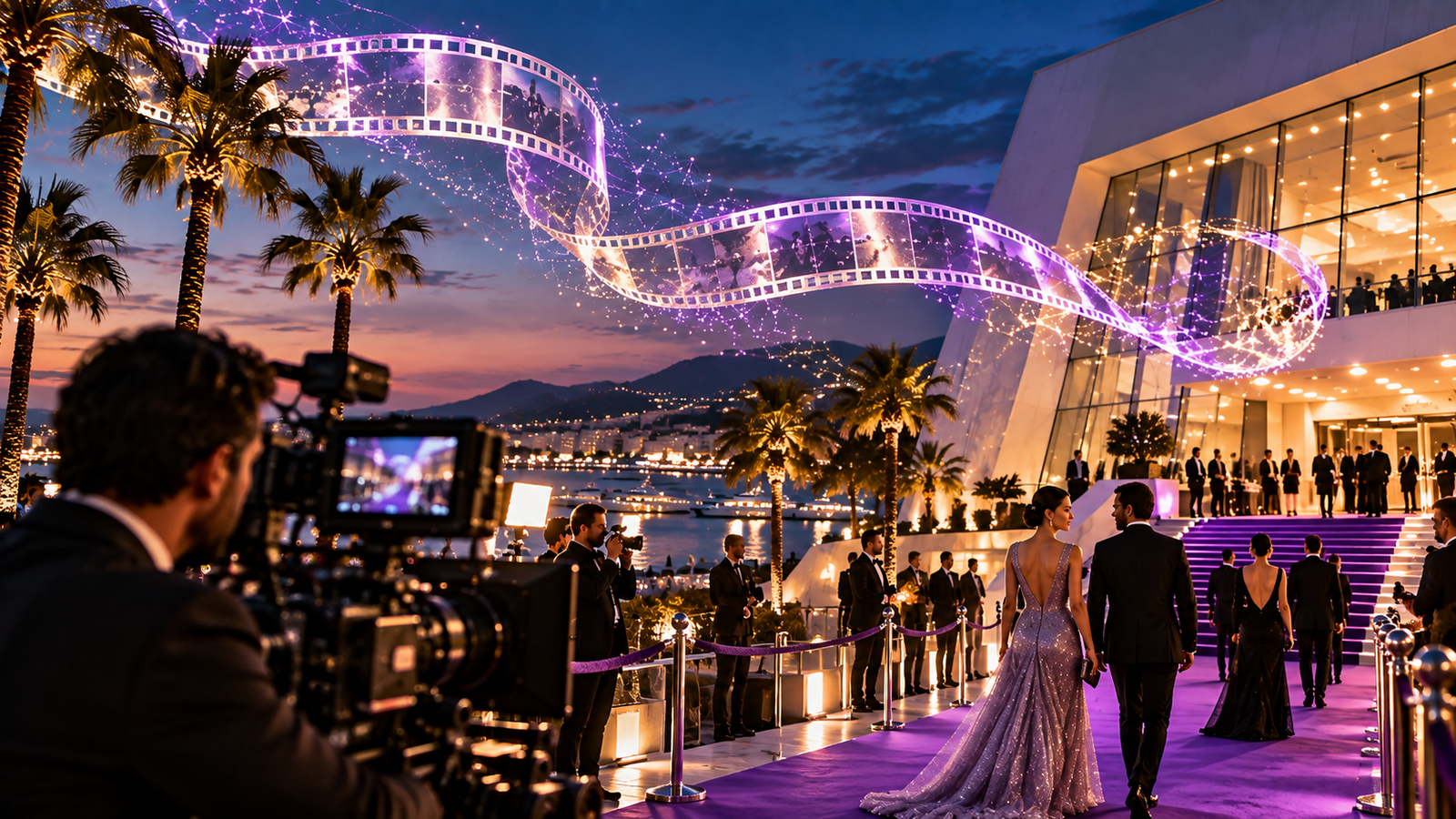
World A.I. Film Festival Returns to Cannes: A Grand Finale at the Palais des Festivals, 6–7 April 2027
Cannes is set to host the grand finale of the third World A.I. Film Festival at the Palais des Festivals on 6–7 April 2027, closing an international circuit dedicated to AI-assisted filmmaking.
-

What Buyers Never See: The Hidden Work Behind a Private Jet’s Presentation
Records, cabin and calendar: the hidden work behind a private jet’s presentation, and what buyers really read before they step aboard.
-
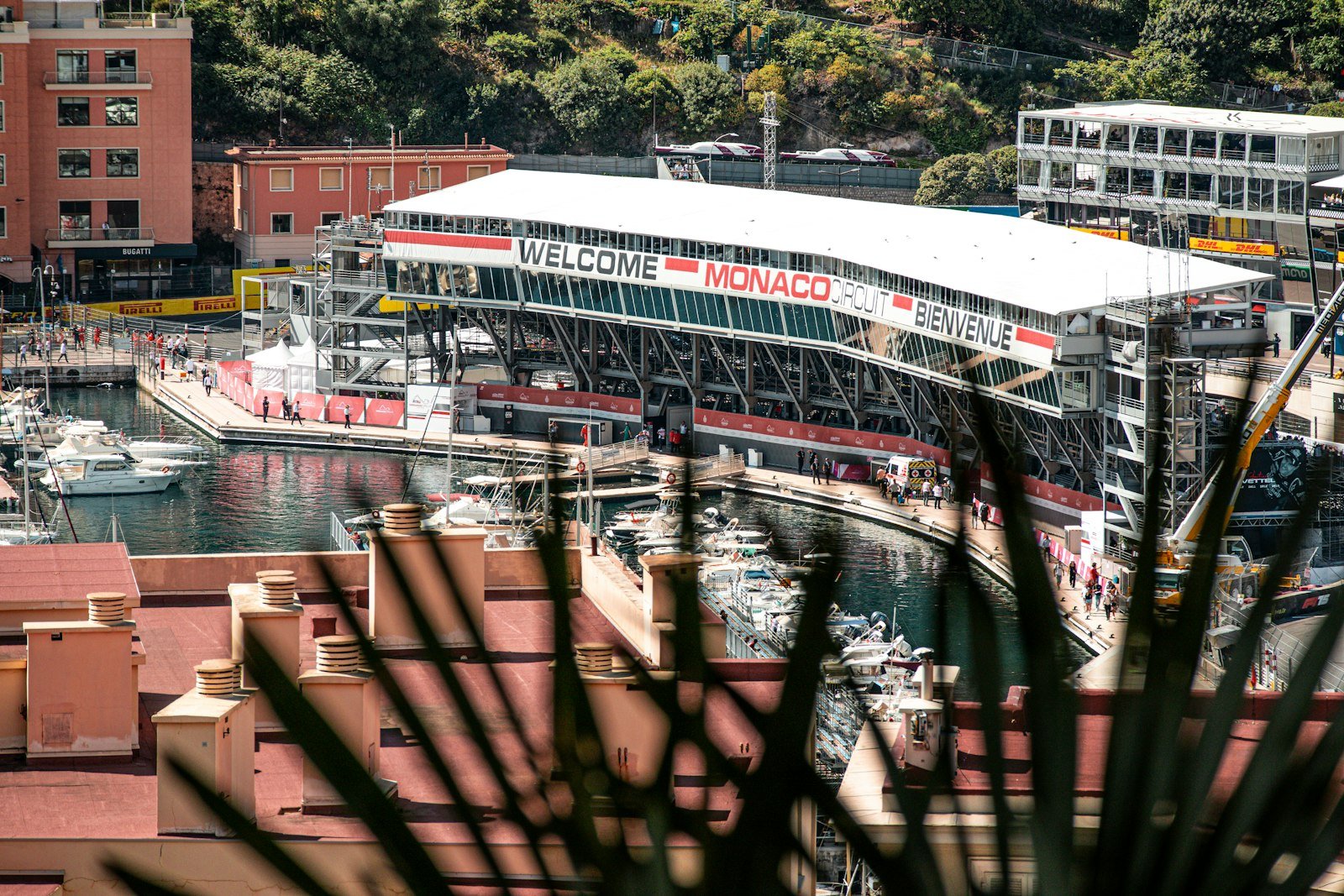
Monaco, the Billionaires’ Rock: Yachting, Casinos and Ultra-Prime Real Estate
Yachting, casinos and the world’s most coveted square metres: FEDIYAR decodes Monaco ahead of the 35th Monaco Yacht Show, 23–26 Sept 2026.
-
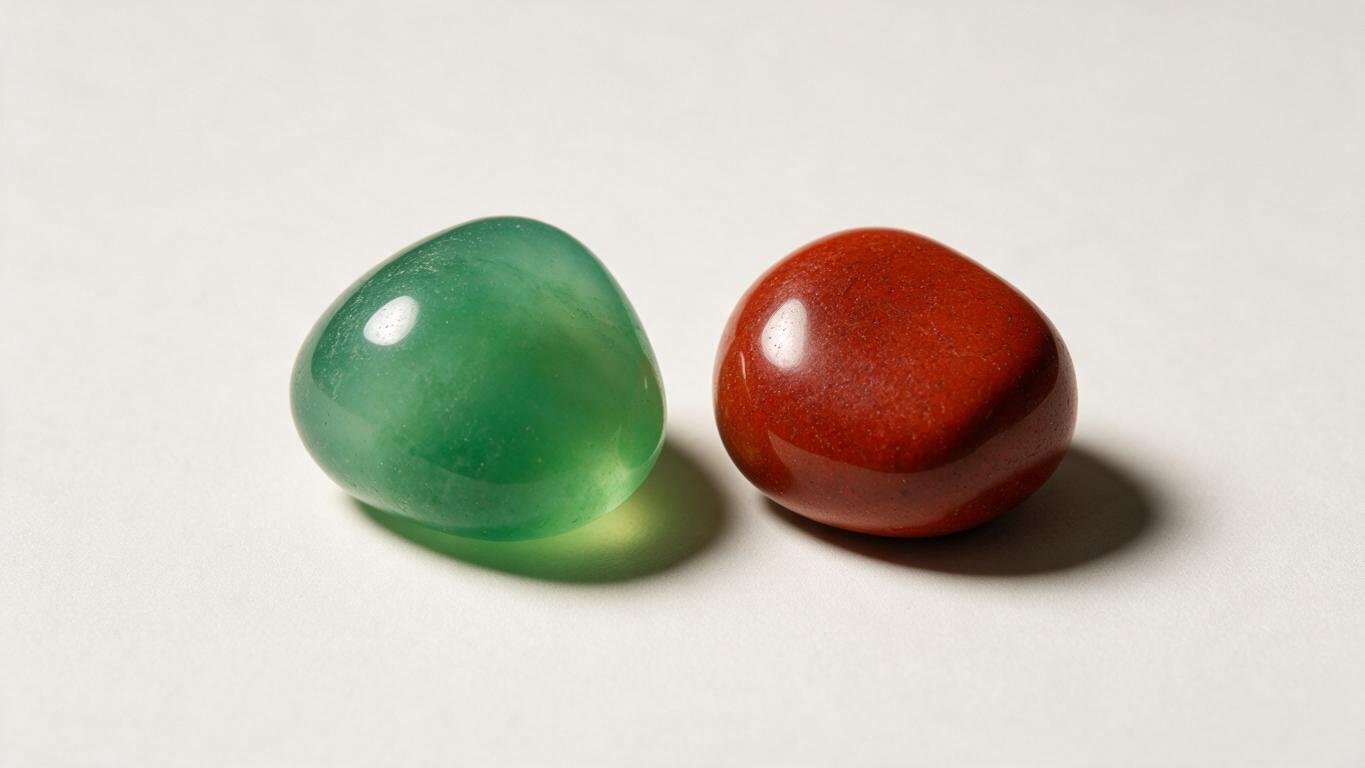
One Word, Two Different Stones
Yashfeh is the one stone whose name we can trace across five languages — and the one whose meaning changed completely along the way. The last of the twelve.
-
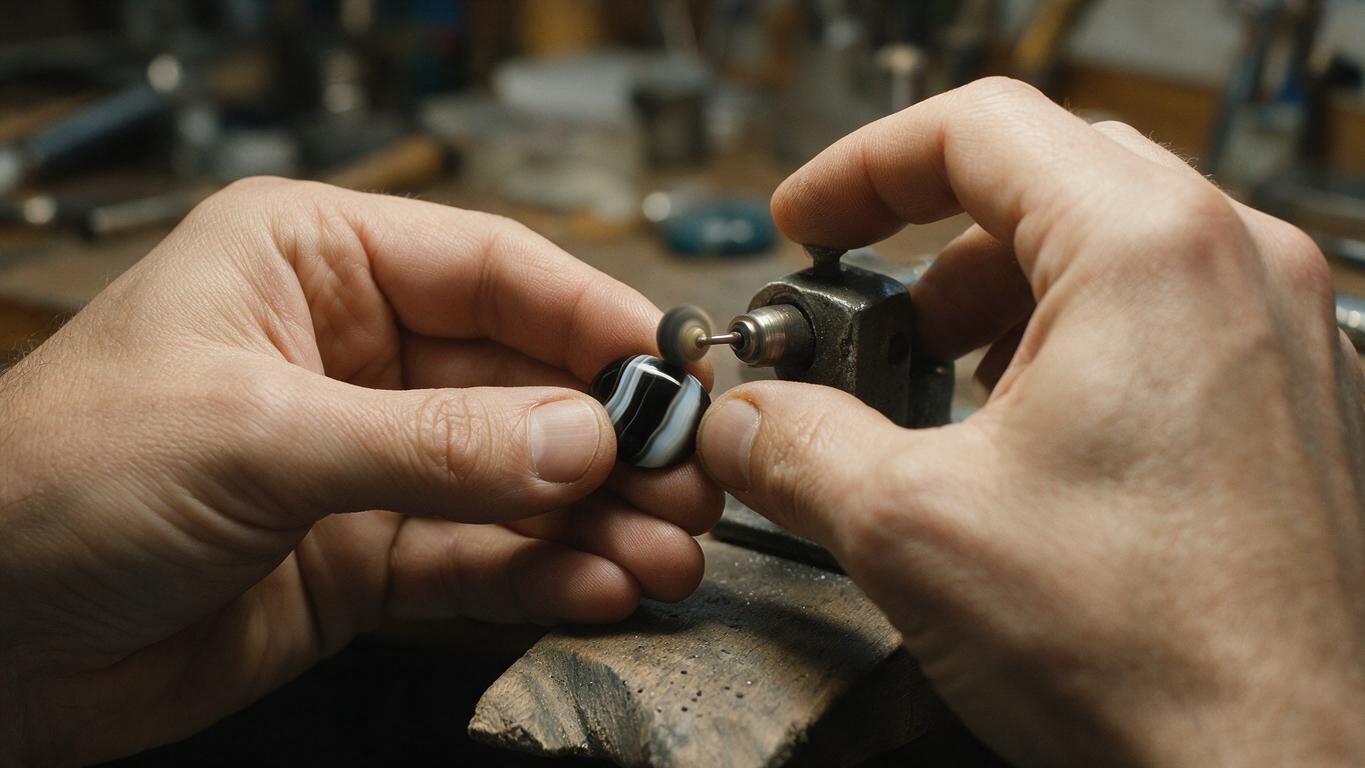
The Stone Chosen to Be Written On
Exodus names Shoham twice as the stone engraved with names. A FEDIYAR study of gem engraving — the oldest luxury craft, and one of the most endangered.
-
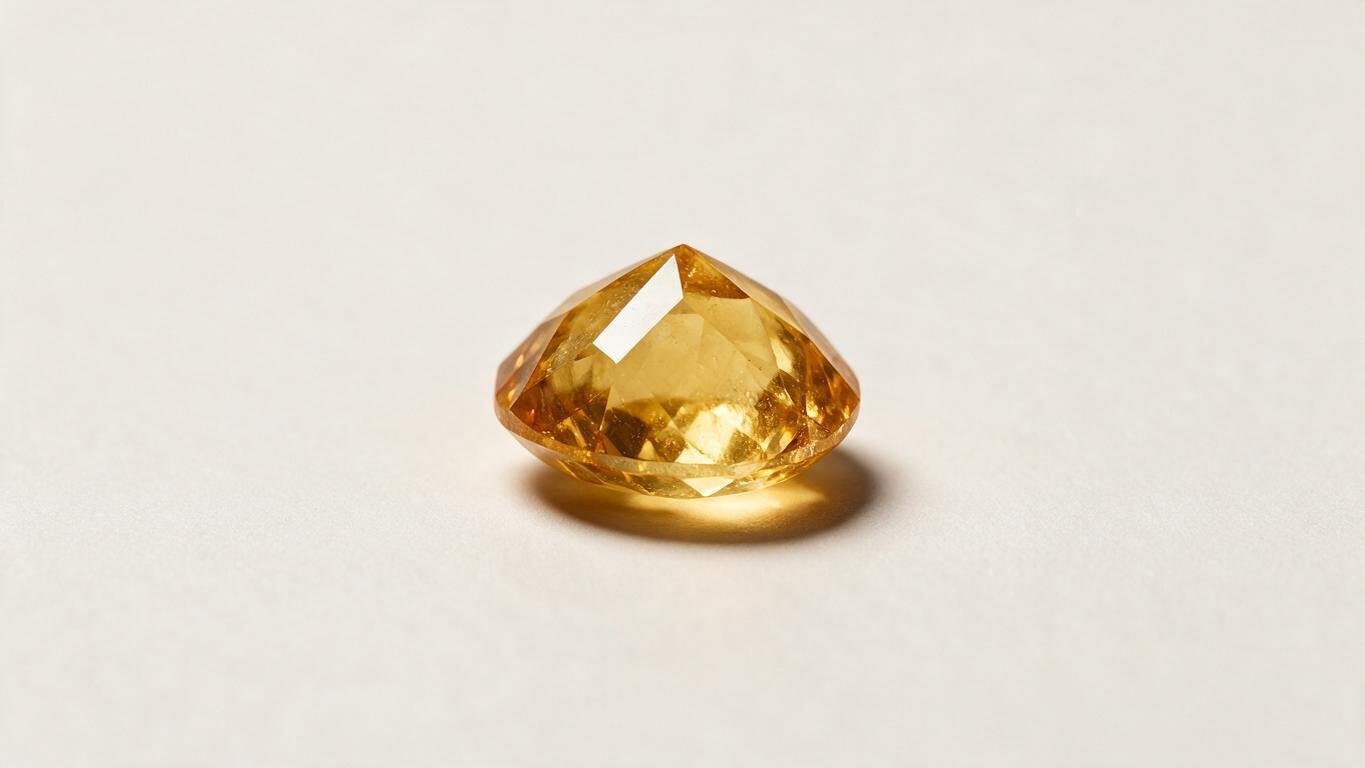
Named for a Port at the Edge of the Map
Tarshish is the only breastplate stone named after a place — and nobody knows where that place was. On materials named for the harbour, not the mine.
-
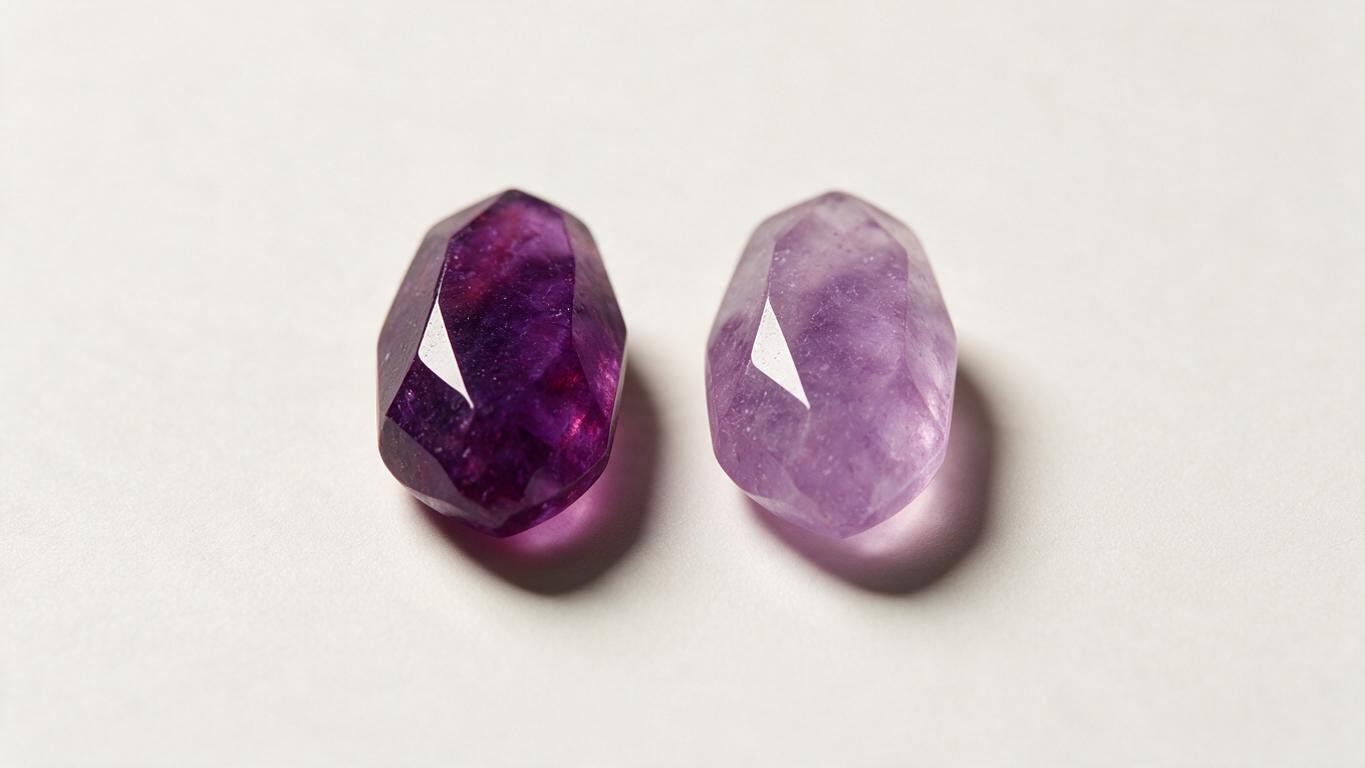
The Colour That Was Reserved
Amethyst was a precious stone until Brazil. What happens to a material when abundance arrives — the ninth of the twelve ancient stones.
-
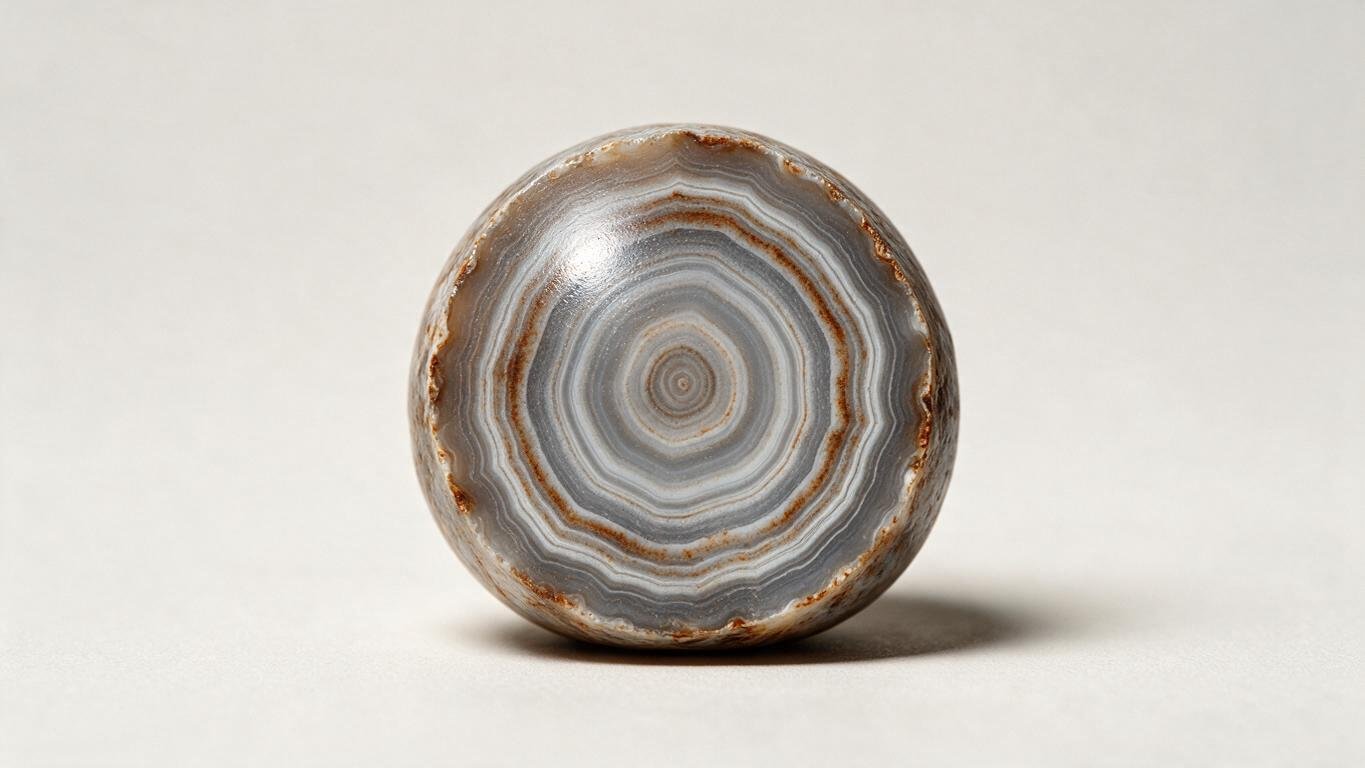
No Two Alike
Agate is banded chalcedony, and every band is a pause in its formation. The eighth of the twelve ancient stones, and the one that records its own making.
-
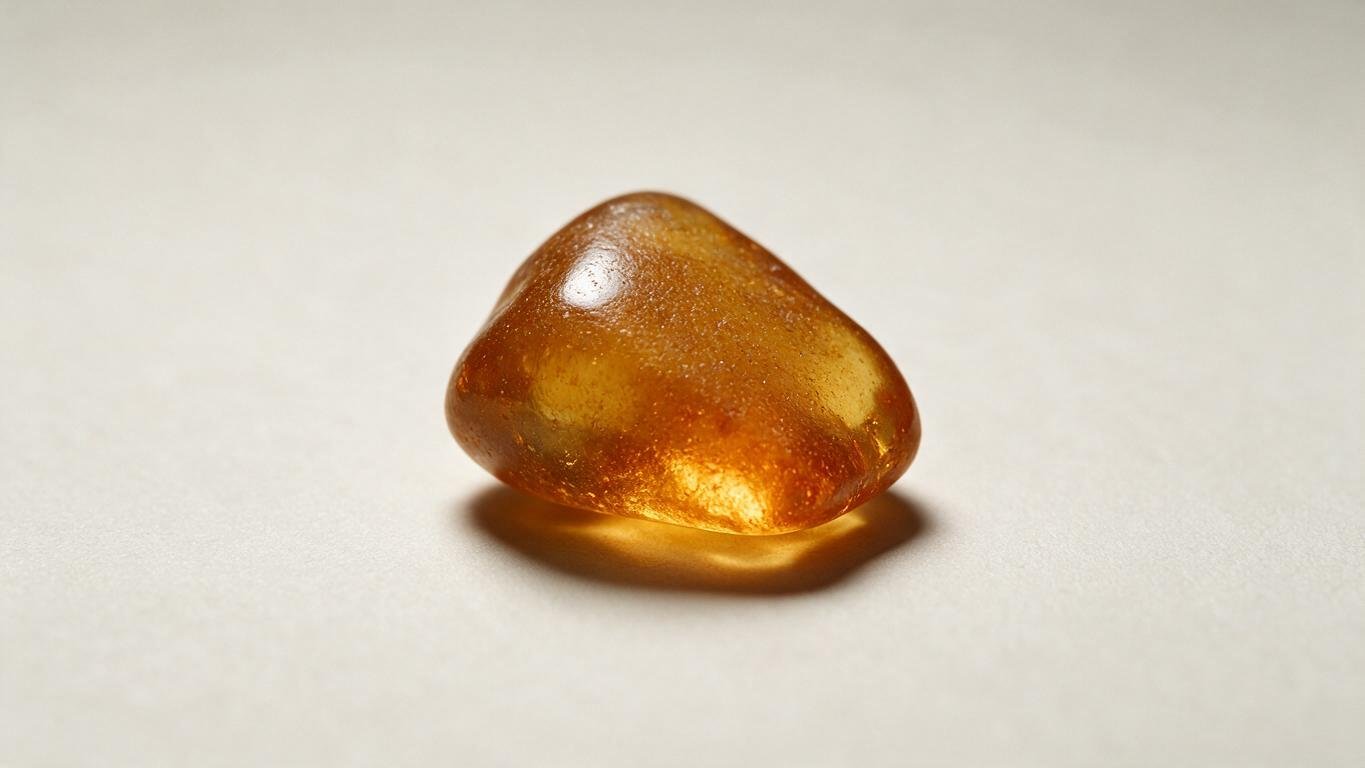
The Stone Nobody Can Name
Leshem is the least identifiable of the twelve. The Greeks called it lyngourion, the lynx-stone — and could not agree what it was either.
-
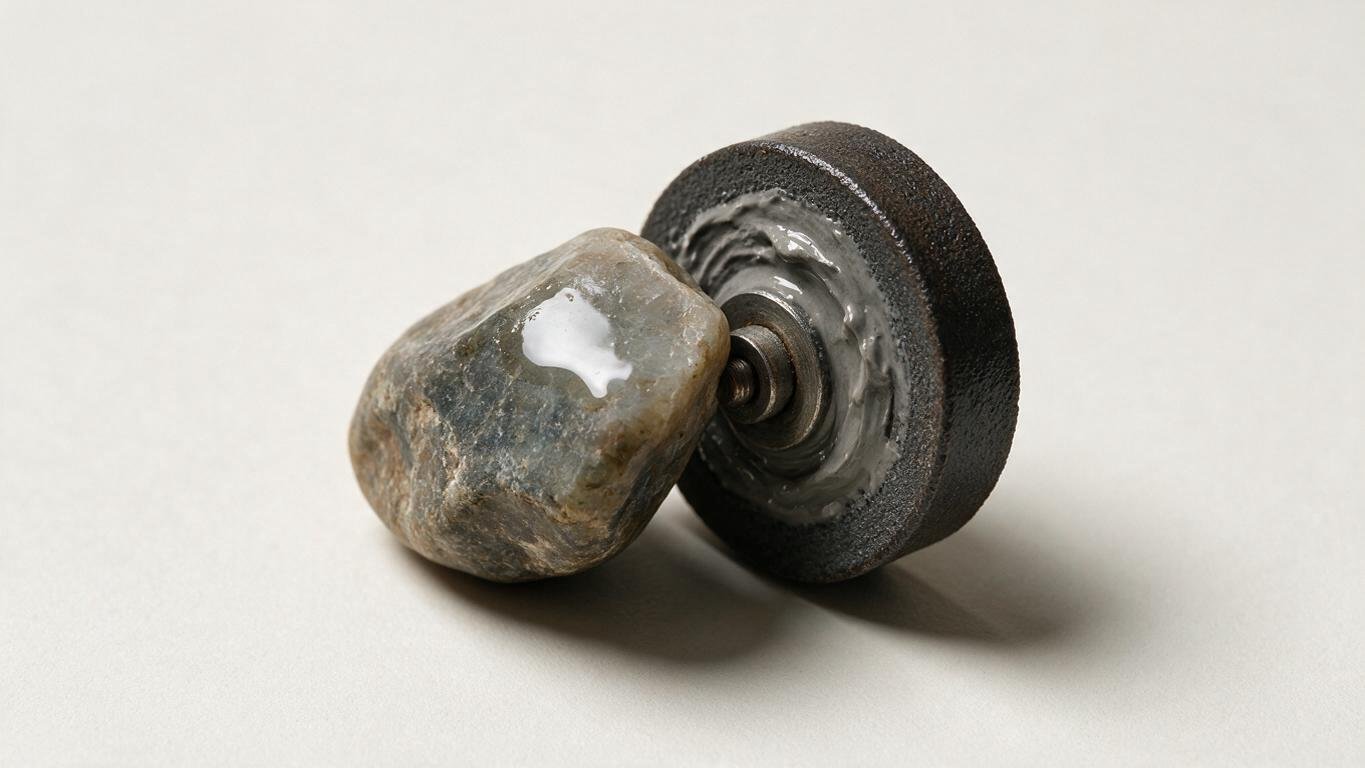
The Stone Named for a Blow
Yahalom is the one breastplate stone named for what it does to tools. Why the medieval reading “diamond” cannot be right, and what hardness actually means.
-
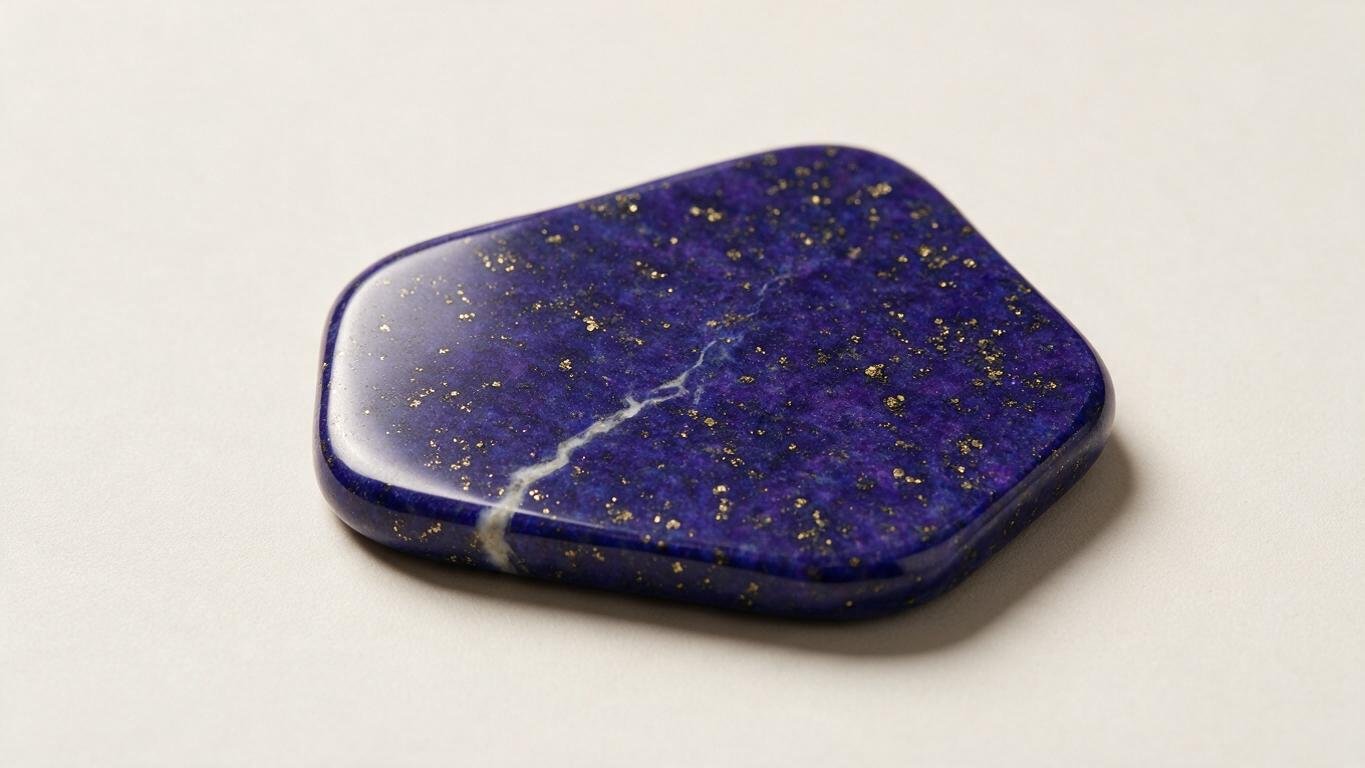
The Blue That Was Never a Sapphire
The Hebrew sappir was almost certainly lapis lazuli, not sapphire — a blue that came from a single Afghan valley for six thousand years. A FEDIYAR study.


